
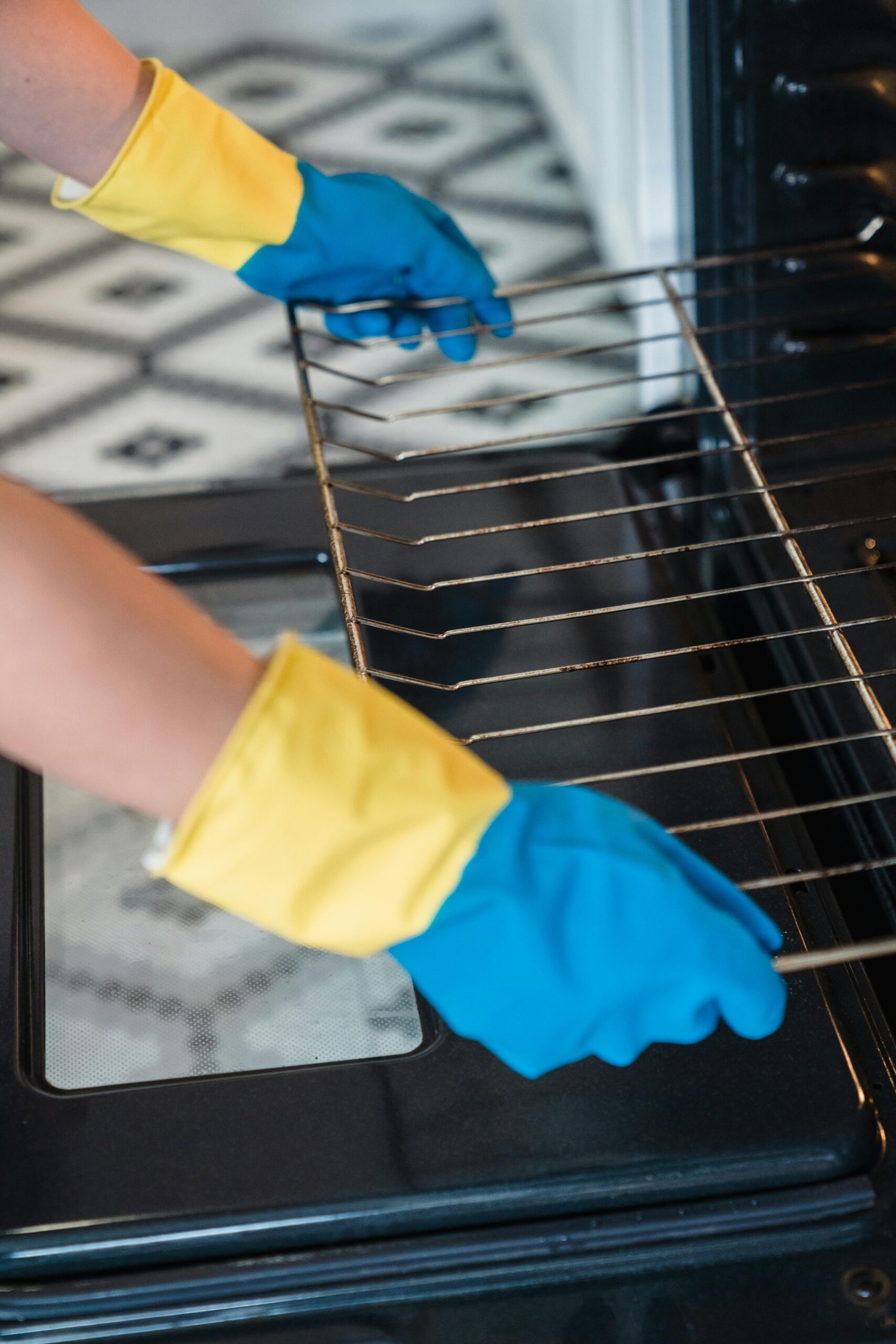
Learn the science behind baked-on grease and burnt salmon spatters, step-by-step at-home treatments, safe products to use, prevention tips, and when to call a pro — for St. George, Washington, Ivins, Santa Clara & Hurricane homes.
Short summary: Burnt salmon spatters are mainly fats and carbonized proteins that polymerize and stick to oven surfaces. The safest, most effective home approach is: remove racks, soften residue with a baking-soda paste or steam, let dwell, then agitate and wipe (use an alkaline commercial oven cleaner for heavy carbonization). Always ventilate, protect enamel, and consider a professional cleaning for extreme buildup or gas ovens.
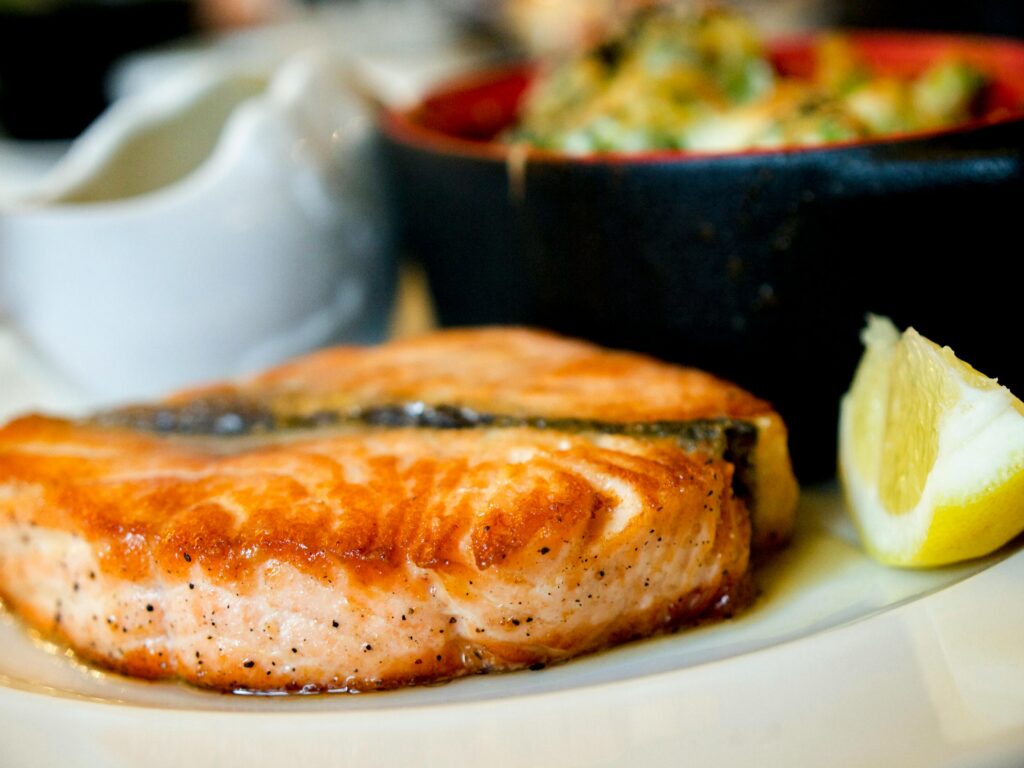
Why salmon spatters and grease become such a nightmare (the simple science).
When a salmon fillet (or any fatty food) hits a hot oven surface or drip pan, several chemical/physical things happen:
- Fat & oil deposition: Salmon releases oils (triglycerides). Hot oil splatters and adheres to surfaces.
- Protein denaturation: Heat alters fish proteins—they coagulate and bind the oil to the surface.
- Maillard & carbonization: At high temperatures, sugars and amino acids form browned compounds (Maillard products) and—if left longer—organic material chars and carbonizes into hard, black deposits.
- Polymerization/oxidation: Repeated heating oxidizes and polymerizes fats into sticky, cross-linked residues that are hydrophobic (repel water) and chemically resistant to simple soap and water.
What that means for cleaning: you’re fighting hydrophobic, often carbonized material that resists water. The most effective chemistry is either to saponify (an alkaline reaction that turns fat into soap-like compounds), oxidize (break down chromophores and organics), or use mechanical action after softening the residue.
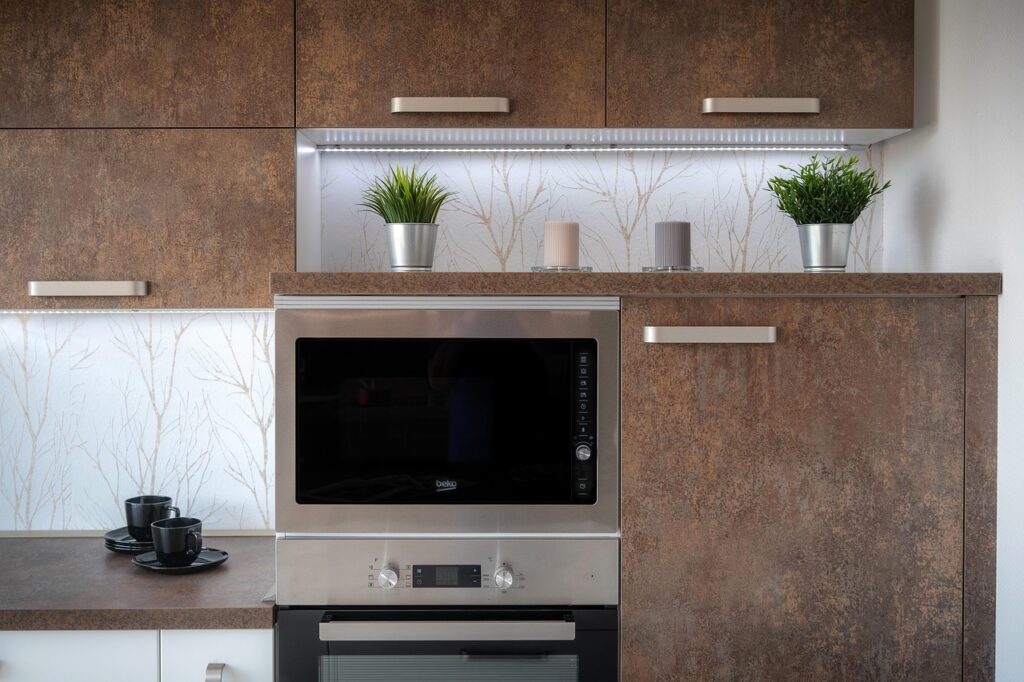
Safety first (short but essential).
Ventilate well. Open windows and run a hood/box fan to exhaust fumes. This matters more in compact St. George townhomes or apartments.
Wear gloves and eye protection when using commercial oven cleaners or scrubbing heavy deposits.
Don’t mix cleaners. Never mix bleach + ammonia or bleach + vinegar. Dangerous gases form.
Check your oven type. Self-cleaning (pyrolytic) or catalytic liners require different care — consult the owner’s manual before using strong chemicals or the self-clean cycle.
Gas oven caution: if you smell gas or suspect a gas leak, stop and contact a professional immediately.
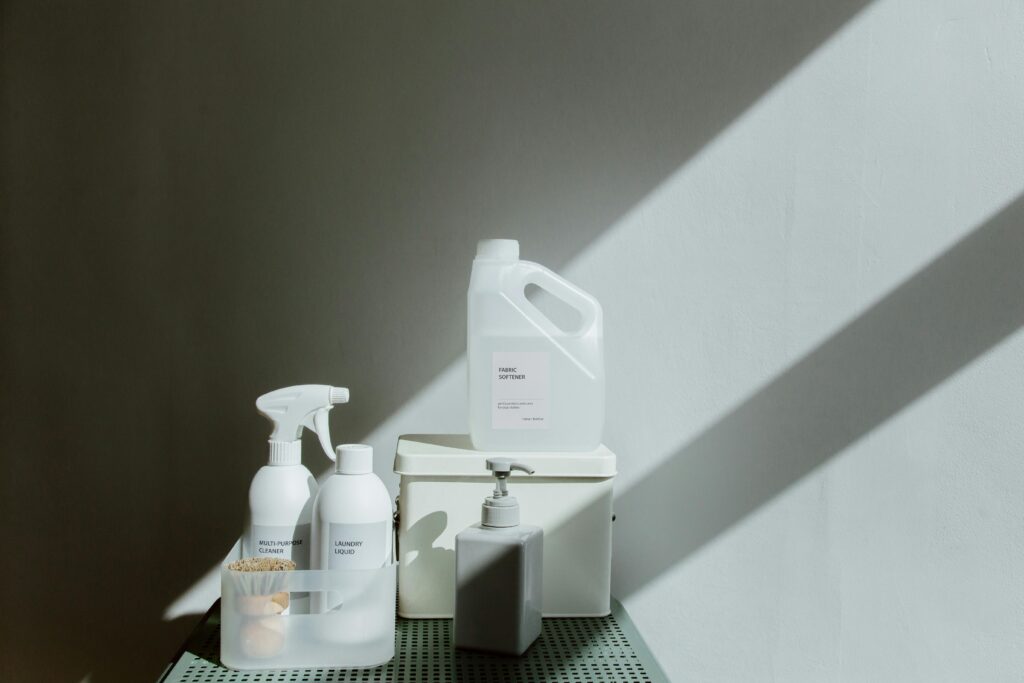
Tools & supplies you’ll want on hand
A short shopping list before you start:
- Rubber gloves, safety glasses, old towels/rags
- Plastic scraper (oven-safe scraper) or wooden spatula (to avoid scratching enamel)
- Nylon scrubbing pad or non-scratch sponge (no steel wool on enamel)
- Large basin/tub or sink for soaking racks
- Baking soda, distilled white vinegar, dish soap (Dawn or similar)
- Spray bottle, measuring cup
- Oven cleaner (alkaline commercial product) for heavy carbonization — follow label instructions
- Optional: oxygen bleach (sodium percarbonate) for odor/stain boost
- Microfiber cloths for final wipe and polish
Method A — The Safe & Effective Baking-Soda Paste (best for moderate buildup)
This is the go-to for most St. George cooks who want safe, enamel-friendly results.
- Cool & unplug (or switch off power): Make sure the oven is off and cool.
- Remove racks: Take out oven racks and soak separately (see racks section below).
- Mix paste: Combine 1/2 cup baking soda with 2–3 tablespoons water to make a spreadable paste. Adjust until it’s like toothpaste.
- Apply: Spread paste over greasy/spattered areas—avoid heating elements, door gasket, and vent holes. Use gloves.
- Dwell time: Let paste sit 6–12 hours or overnight. Baking soda raises pH slightly and helps break bonds; it also soaks into porous grime.
- Vinegar spray: Fill a spray bottle with white vinegar and spray over the paste. It will fizz (this helps lift residue). Let sit 5–10 minutes.
- Scrub & scrape: Use a plastic scraper and nylon scrub pad to remove loosened gunk. Be patient—don’t force it with metal that could scratch.
- Wipe & rinse: Wipe with damp cloths until residue is gone. Repeat if needed. Finish with a final wipe of warm soapy water and dry.
Why it works: Baking soda (a mild alkali) softens residues and increases cleaning power when combined with mechanical action; vinegar helps loosen residue via mild acid fizz and mechanical bubbling.
Method B — Steam/Hot-Water Soak (gentle option for drips or to soften first)
Great if spatters aren’t fully carbonized.
- Place an oven-safe dish filled with hot water and a splash of vinegar in the oven.
- Heat to 250°F for 20–30 minutes (watch for steam), then switch off and let cool slightly (steam softens grunge).
- Carefully remove the dish and wipe down softened residue with a cloth and non-scratch pad.
- Follow up with the baking-soda paste for stubborn spots.
Why it works: Heat + moisture loosens crusted organic matter, making it easier to remove with light scrubbing.
Method C — Commercial Alkaline Oven Cleaners (for heavy, carbonized buildup)
When grease has polymerized into hard deposits, alkaline cleaners are often the fastest solution.
- Choose the right product (follow instructions). Brands like Easy-Off and other heavy-duty oven cleaners use strong alkaline agents to saponify and break down polymerized fats.
- Use PPE & ventilate. These are caustic—gloves, eyewear, and fresh air are non-negotiable.
- Follow label directions exactly. Apply, wait the specified time, then wipe away residues. Rinse thoroughly to avoid fumes when heating the oven later.
- Caveat: Do not use these on ovens with catalytic liners or on racks unless the product explicitly says it’s safe.
Why it works: Strong alkalis (lye or other caustic agents) convert fats into water-soluble soaps and break down charred organics.
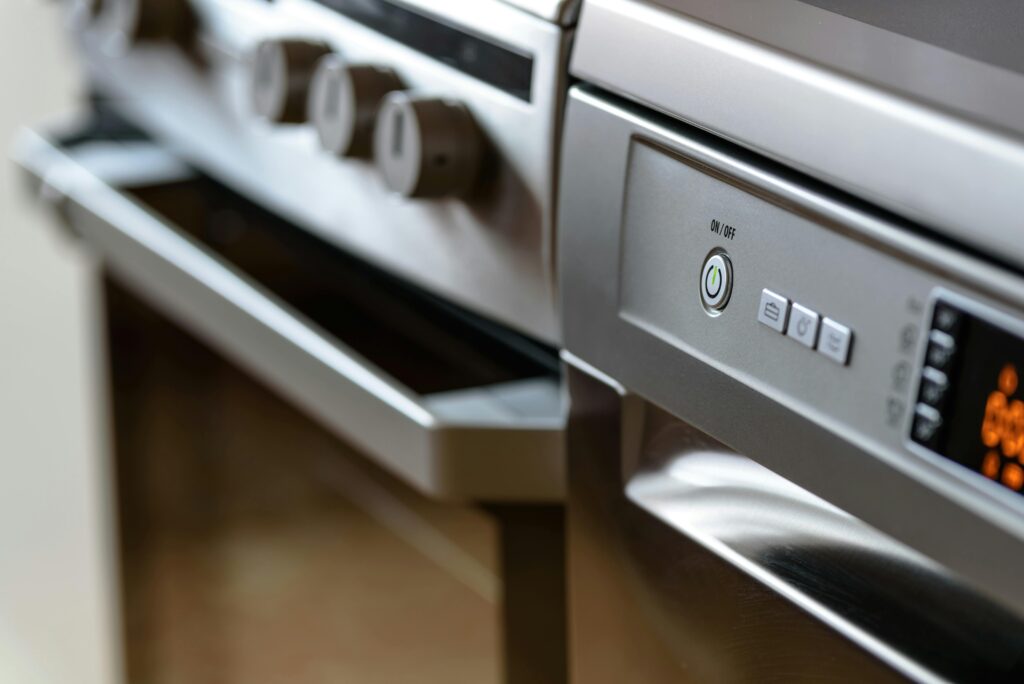
Cleaning oven racks (soak + scrub)
Racks are often dirtier than the oven interior and benefit from soaking.
Soak method (bathtub or large basin):
- Line the tub with towels to prevent scratching the tub surface. Place racks in bathtub. Add very hot water and 1/2 cup dish soap + 1 cup washing soda or oxygen bleach (sodium percarbonate). Let soak 4–12 hours or overnight.
- Scrub with a nylon brush and rinse thoroughly.
Alternative: Some people use a degreaser outdoors and a pressure washer for extreme grime—but do this only if the racks aren’t coated and you have safe space.
Deodorizing after a fishy clean
If your oven still smells like salmon after cleaning:
- Baking soda: Place an open pan of baking soda in the cold oven overnight to absorb odors.
- Activated charcoal: A small bowl of activated charcoal (or odor absorbers) absorbs persistent smells.
- Heat & ventilate: Run the oven at 250–300°F for 15–20 minutes with a bowl of lemon slices or water inside to help steam-out odors—ventilate well. (Don’t do this until you’re sure chemical residues are fully rinsed.)
Products worth considering (safe options & when to use them)
- Mild / safe: Baking soda, distilled white vinegar, Dawn dish soap, oxygen bleach (sodium percarbonate). Great for regular maintenance and moderate burnt spots.
- Mid-strength degreasers: Citrus or plant-based degreasers (Krud Kutter, Simple Green Heavy Duty degreaser) — good for removable trays and racks.
- Heavy-duty oven cleaners: Commercial alkaline oven cleaners (follow label, full PPE). Use only when milder methods fail or for very heavy carbonization.
- Professional tools/services: For catalytic liners, gas ovens, or extremely baked-on carbon, consider a professional oven cleaning service (they use steam, industrial degreasers, and have the PPE and ventilation gear).
Prevention — cook smarter and avoid the next disaster
- Use a rimmed baking sheet under fish or messy trays to catch drips.
- Cook on a lower rack if splatter risk is high and use a foil liner under the pan (replace when soiled).
- Cover pans or use parchment / en papillote cooking (seal fish in foil/parchment) to reduce spatter.
- Use splatter guards for stovetop frying.
- Wipe up spills as soon as the oven is cool. The sooner you remove fresh fat, the less it will carbonize.
- Regular quick wipes: Once a week, wipe interior surfaces with warm soapy water to prevent buildup.
- Run a light steam cycle monthly to soften and maintain a cleaner oven.
When to call a professional
Call a pro if:
- Grease is heavily carbonized and resists home treatments.
- You have a gas oven with pilot/valve concerns or feel uncomfortable with strong chemicals.
- The oven has special finishes (catalytic liners, enamel you don’t want scratched) and you prefer an expert.
- You want safe, thorough degreasing without downtime (local pros can often come to St. George, Ivins, Washington, Santa Clara & Hurricane homes).
Frequently Asked Questions
Can I use baking soda and vinegar on any oven in St. George homes?
Yes—baking soda + vinegar is a safe, enamel-friendly method for most ovens. Avoid spraying vinegar directly on electrical components or door gaskets. Check your oven manual for special liners before using heavy alkaline cleaners.
Is it safe to run the oven’s self-clean cycle in an apartment?
Self-clean cycles can produce smoke and odors; ensure good ventilation and follow the oven manual. If you have respiratory issues, pets, or limited ventilation (common in apartments), consider a professional cleaner or use manual method.
How long should I soak oven racks to remove burnt fish residue?
Soaking racks overnight (8–12 hours) in hot water with dish soap and optionally oxygen bleach usually loosens heavy residue. Scrub with a nylon brush afterward.
What should I do if my oven still smells like fish after cleaning in St. George?
Place an open box of baking soda or a bowl of activated charcoal in the cold oven overnight to absorb odors. Run a low heat cycle with good ventilation if residues are fully rinsed.
When should I call a professional oven cleaner in St. George?
Call a pro for extremely carbonized ovens, gas-oven safety concerns, catalytic liner care (manufacturer warnings), or if you prefer someone to handle caustic cleaners and ventilation.